

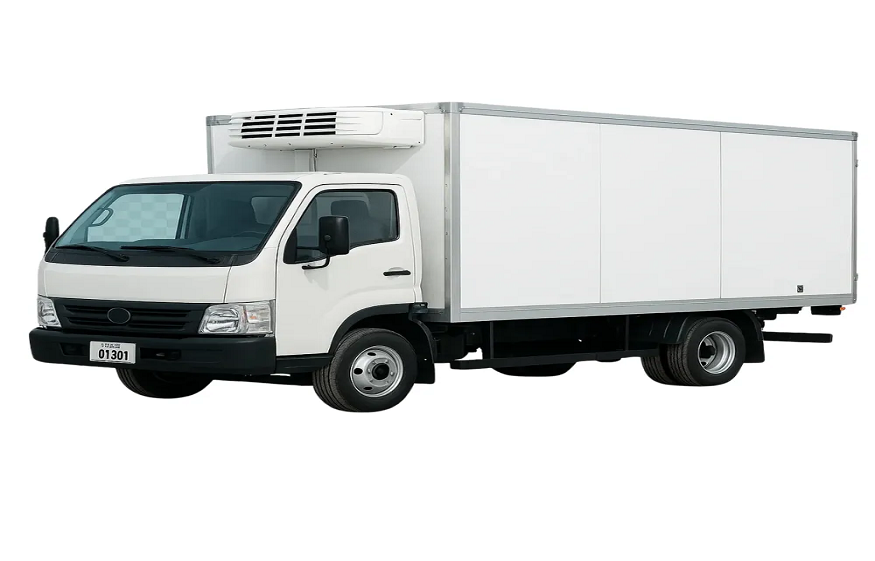
Understanding rear loader garbage truck specifications is essential for choosing the right vehicle for waste collection operations. These specifications define the truck’s performance, capacity, safety, and long-term efficiency. Whether used by municipalities or private waste contractors, rear loader trucks are designed to handle demanding waste management tasks. This article explains the key specifications in a clear and practical way.
Truck Body Capacity
One of the most important specifications of a rear loader garbage truck is body capacity. Capacity is usually measured in cubic yards or cubic meters and determines how much waste the truck can carry in a single trip. Rear loader trucks typically range from 15 to 35 cubic yards. Smaller capacities are suitable for narrow urban routes, while larger bodies are ideal for high-volume waste collection in cities and industrial zones.
Compaction Ratio and Force
The compaction ratio refers to how much waste can be compressed inside the truck body. A higher compaction ratio allows more garbage to fit into the same space, reducing the number of trips to disposal sites. Rear loader garbage trucks commonly offer compaction ratios between 3:1 and 6:1, depending on the model. Strong hydraulic force ensures efficient compression, especially when handling heavy or wet waste.
Read More:Asphalt Paving Utah: Enhancing Commercial Properties with Quality Work
Hopper Volume and Design
The rear hopper is where waste is initially loaded before compaction. Hopper volume varies by model and directly affects loading speed and ease of use. A well-designed hopper allows workers to load waste quickly without spillage. Many rear loader trucks feature reinforced steel hoppers, smooth interior surfaces, and wide loading openings to support continuous operation.
Hydraulic System Specifications
The hydraulic system powers the loading, compaction, and dumping mechanisms of the truck. Key specifications include hydraulic pump capacity, operating pressure, and flow rate. High-quality hydraulic components improve reliability and reduce downtime. Trucks with easily accessible hydraulic lines and filters simplify maintenance and extend service life.
Chassis and Gross Vehicle Weight Rating
The chassis provides structural support and determines how much weight the truck can safely carry. One of the most critical specifications is the Gross Vehicle Weight Rating (GVWR), which includes the weight of the truck, body, waste load, fuel, and passengers. Selecting a chassis with an appropriate GVWR ensures safe operation and prevents premature wear or mechanical failure.
Engine Power and Fuel Type
Rear loader garbage truck specifications also include engine power, typically measured in horsepower. Sufficient engine power is necessary to handle heavy loads, steep routes, and frequent stop-and-go operation. Diesel engines are the most common, but many modern trucks are available with CNG, hybrid, or electric powertrains to meet environmental regulations and reduce fuel costs.
Transmission and Drivetrain
The transmission system affects how smoothly the truck operates under load. Automatic transmissions are commonly used in rear loader garbage trucks due to frequent stopping and starting. Drivetrain options, such as single or tandem rear axles, influence traction, load distribution, and durability. Heavy-duty drivetrains are essential for long routes and high-volume waste collection.
Safety and Control Features
Safety specifications are critical in rear loader garbage trucks due to manual loading operations. Common features include rear-view cameras, backup alarms, emergency stop switches, and high-visibility lighting. Some models also include interlock systems that prevent operation if safety conditions are not met. These specifications help protect workers and pedestrians during collection.
Dumping and Discharge Mechanism
The dumping mechanism allows the truck to unload waste at landfills or transfer stations. Rear loader trucks usually use a tailgate-opening system combined with a moving ejector panel or compaction blade. Smooth and complete discharge reduces cleanup time and improves operational efficiency.
Maintenance and Service Specifications
Maintenance-related specifications include lubrication points, service intervals, and access panels. Trucks designed with easy maintenance access reduce service time and operating costs. Manufacturers often provide detailed service schedules that help operators maintain optimal performance throughout the truck’s lifespan.
Read More:CMS for Media Company: How to Choose the Right Solution
Compliance and Environmental Standards
Modern rear loader garbage trucks are built to meet safety and emissions standards set by local and international regulations. Emissions compliance, noise levels, and fuel efficiency are increasingly important specifications, especially in urban environments with strict environmental policies.
