

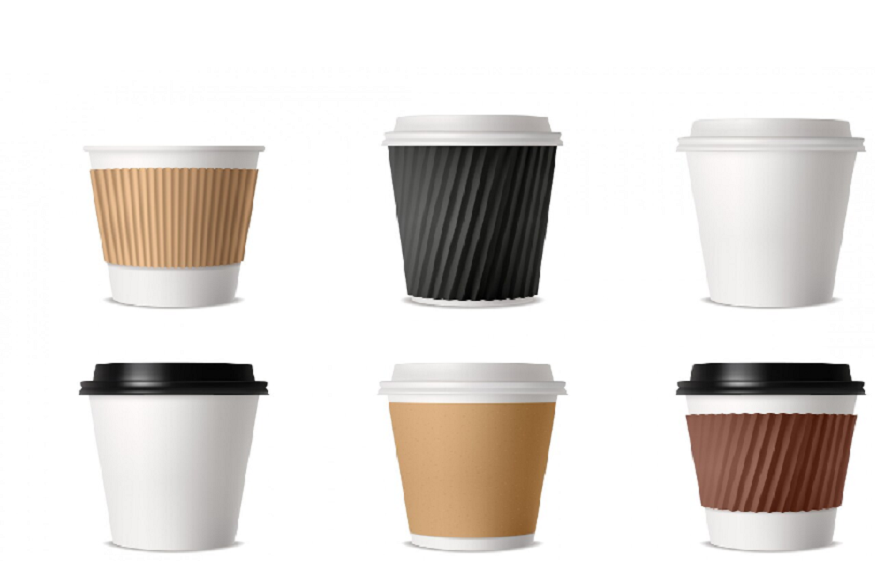
Coffee culture in Australia continues to thrive, with cafés serving thousands of takeaway cups each day. Disposable coffee cups offer convenience for both customers and businesses, but there’s growing awareness around their environmental impact and the materials they’re made from. For café owners and operators, understanding the types of disposable cups, sustainability considerations, and best practices for waste management is essential. This guide explains everything cafés should know about disposable coffee cups in today’s eco-conscious market.
The Common Materials Used in Disposable Coffee Cups
Disposable coffee cups are typically made from one of three materials: paper, plastic, or a combination of both. Each has its own advantages, limitations, and environmental implications.
Paper Cups
Paper cups are the most common option used by cafés. They are lightweight, inexpensive, and widely accepted by consumers. Most paper cups are lined with a thin layer of polyethylene (plastic) to make them waterproof and prevent leaks. Some manufacturers now offer bio-based linings made from plant materials, such as polylactic acid (PLA), which are compostable under industrial conditions.
Paper cups are suitable for hot and cold beverages, are easy to stack, and are compatible with standard cup lids. However, the plastic lining makes them challenging to recycle in standard kerbside collection systems, and only certain facilities can process compostable versions.
Plastic Cups
Plastic cups, typically made from polypropylene (PP) or polyethylene terephthalate (PET), are most commonly used for cold drinks such as iced coffee or smoothies. They are lightweight, durable, and stackable. Plastic cups are generally recyclable in facilities that accept the specific type of plastic, but contamination with food and liquid can make recycling less effective.
Read More: Charles Spinelli Discusses the Role of a Payroll Administrator
Many cafés are now switching to biodegradable or PLA-based plastics for cold drinks, reducing their environmental footprint while maintaining functionality.
Hybrid or Lined Cups
Most disposable coffee cups are a hybrid design: a paper cup with a plastic lining and a plastic lid. This combination allows for heat resistance and durability while keeping costs manageable. However, the mixed materials can complicate recycling. Consumers often assume paper cups can be recycled like cardboard, but in reality, the plastic lining often prevents standard recycling, meaning these cups usually end up in landfill unless a specialised recycling programme is available.
Environmental Impact and Sustainability Considerations
Disposable coffee cups have come under scrutiny due to their environmental impact. Millions of cups are used annually in Australia, and many end up in landfill because they are difficult to recycle. Understanding the lifecycle of a disposable cup helps cafés make informed decisions.
Waste and Landfill Issues
A standard disposable coffee cup takes decades to break down in landfill due to its plastic lining. When discarded improperly, cups contribute to litter and pollution. For cafés aiming to reduce their environmental footprint, offering alternative options or participating in recycling programmes is increasingly important.
Recycling and Composting
Recycling disposable coffee cups is possible but requires specialised facilities capable of separating the paper and plastic components. Compostable cups, often made from PLA or other plant-based plastics, can be processed in industrial composting facilities. Home composting is usually not sufficient, as the conditions needed to break down these materials are more intensive than domestic compost heaps can provide.
Alternative Approaches
Sustainability-conscious cafés are exploring several strategies to reduce the impact of disposable cups:
- Reusable Cups: Encouraging customers to bring their own reusable cups is one of the most effective ways to reduce single-use waste. Some cafés offer discounts or loyalty points to incentivise this behaviour.
- Recyclable or Compostable Cups: Switching to cups that can be properly recycled or composted in available local facilities helps mitigate environmental impact. It is important for cafés to verify whether their local waste management services accept these options.
- Cup Takeback Programs: Partnering with companies that provide cup takeback services or recycling schemes can ensure cups are disposed of responsibly.
Regulatory Considerations and Industry Guidelines
Cafés in Australia must also consider regulations and industry standards when choosing disposable cups. Local councils may have policies on waste reduction, and some states are introducing extended producer responsibility schemes that affect packaging and disposable items.
For example, businesses may be required to provide clear disposal information, participate in recycling programmes, or transition to compostable alternatives over time. Staying informed about these requirements ensures compliance and supports sustainability goals.
Best Practices for Cafés
Cafés can adopt several practical measures to manage disposable coffee cups effectively while maintaining convenience for customers:
- Educate Staff and Customers: Inform staff about proper cup handling, recycling, and composting practices. Clear signage for customers on how to dispose of cups correctly can improve recycling rates.
- Source Sustainable Products: Choose cups, lids, and sleeves that are certified recyclable or compostable. Look for labels such as FSC-certified paper or industrial compostable certification.
- Incentivise Reusable Cups: Offer discounts or loyalty incentives for customers who bring their own cups. Many cafés have successfully reduced disposable cup use by integrating this strategy into their brand culture.
- Monitor Waste Management: Regularly assess waste streams and review the effectiveness of recycling or composting initiatives. Partner with certified waste management providers to ensure cups are processed correctly.
- Consider Cup Design: Some cups come with innovative designs that reduce material usage, improve insulation, or make recycling easier. Selecting products that minimise environmental impact can make a noticeable difference over time.
Consumer Expectations and Brand Perception
Modern café customers are increasingly environmentally conscious. Offering sustainable disposable cup options can enhance a café’s reputation and appeal to eco-minded consumers. Conversely, failing to address environmental concerns may alienate a segment of the customer base and impact brand perception.
Read More: The Hidden Cost of DIY Data Management: Why Strategic Data Entry Service Partnerships Win in 2026
Transparency about cup materials, disposal options, and sustainability initiatives is key. Cafés that actively communicate their commitment to reducing waste are often rewarded with customer loyalty and positive word-of-mouth promotion.
Conclusion
Disposable coffee cups are an integral part of Australia’s café culture, offering convenience and functionality for both hot and cold beverages. However, the environmental impact of these single-use items cannot be ignored. By understanding the materials used, the challenges around recycling and composting, and the options available for sustainability, cafés can make informed decisions that balance customer convenience with environmental responsibility.
Switching to recyclable or compostable cups, encouraging reusable options, and participating in responsible waste management programmes are all effective strategies for cafés to reduce their ecological footprint. In today’s eco-conscious market, adopting these practices not only benefits the environment but also strengthens a café’s reputation and customer loyalty.
By taking a proactive approach to disposable coffee cups, cafés can continue to provide excellent service while demonstrating leadership in sustainability and environmental stewardship.
